Ralph Lauren Christmas decor brings together traditional holiday colors, rich fabrics, natural greenery, antique inspired accessories, and warm lighting to create a home that feels elegant without losing its comfort.
Think forest green Christmas trees, burgundy velvet bows, classic tartan patterns, dark wood furniture, brass candleholders, and cozy living rooms inspired by traditional American and English country interiors.
Unlike decorating styles built around bright metallics or a single fashionable color, this heritage inspired look relies on layers of complementary materials. Wool, velvet, leather, glass, brass, and evergreen foliage create visual depth, while a consistent color palette connects the different rooms of the home.
The style can look luxurious, but it does not require expensive furniture or an entirely new collection of decorations. A tartan throw, a few velvet ribbons, warm white string lights, and carefully arranged greenery can make a meaningful difference.
Existing furniture and secondhand accessories can work just as well as new purchases when their colors, finishes, and proportions complement one another. If you live in a traditional house, a modern home, or a small apartment, the key is to combine classic Christmas details with practical decorating choices.
These Ralph Lauren inspired Christmas decor ideas explain how to style your tree, living room, fireplace, dining table, entryway, and other spaces while keeping the overall look cohesive, comfortable, and suitable for everyday holiday living.
Choose a Classic Ralph Lauren Christmas Color Scheme

A well planned color palette is the foundation of a traditional Christmas interior. Forest green, burgundy, cranberry red, navy blue, cream, warm brown, and antique gold are particularly useful for creating a rich, heritage inspired appearance.
The important part is deciding which colors should dominate and which should serve as accents. Using every color in equal amounts can make a room feel busy, especially when tartan, velvet, ornaments, and greenery are all present.
Start with forest green as the main color. It naturally connects the Christmas tree, wreaths, garlands, and other foliage. Add burgundy through ribbons, cushions, stockings, or table linens. Cream and warm ivory provide contrast, while antique brass introduces a subtle metallic finish.
Navy blue is useful when you want a slightly more restrained variation. It works well with dark wood, brown leather, cream upholstery, and green foliage. Burgundy creates a stronger festive contrast, while navy can make the arrangement feel quieter and more traditional.
Consider how your existing room affects the palette. In a light colored living room, dark green and burgundy accessories can provide depth without requiring major changes. In a room with dark furniture, cream textiles and warm lighting help prevent the colors from feeling too heavy.
You can also use the same palette throughout the home without repeating every color in every room. The living room might feature green and burgundy, while the dining room uses cream, brass, and small green accents.
Styling tip:
Choose two dominant colors, one neutral, and one metallic finish. This gives you enough variety to create a layered look while making it easier to decide which decorations to buy and which ones to leave out.
Create a Statement Christmas Tree With Tartan and Velvet

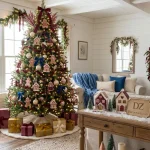
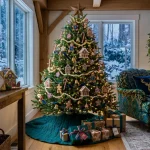
A richly decorated evergreen tree can become the focal point of a Ralph Lauren inspired Christmas interior. The goal is to combine traditional ornaments, soft fabric details, and warm lights while allowing the natural shape of the tree to remain visible.
Begin by adding warm white lights throughout the branches. Place some lights deeper inside the tree and others closer to the outer tips. This creates a more dimensional appearance than placing every light along the surface.
Next, choose one or two ribbon styles. Burgundy velvet ribbon creates a rich accent, while forest green and navy tartan introduces the heritage pattern associated with traditional holiday interiors. You can weave ribbon loosely through the branches or attach individual bows at intervals.
Choose ornaments that support the same palette. Antique gold baubles, deep red glass ornaments, traditional bells, and understated wooden decorations work well together. A few clear glass ornaments can reflect the lights without introducing another strong color.
Consider the scale of each decoration. Larger ornaments work best on sturdier branches and toward the lower or middle sections of a full tree. Smaller ornaments can fill gaps and create continuity throughout the branches.
The tree skirt or collar should also complement the arrangement. A tartan tree skirt reinforces the pattern, while cream knitted fabric or dark wood creates a quieter base.
For a small apartment, use a slim tree and fewer ornament styles. One ribbon, one velvet color, and a limited selection of traditional baubles can create the same visual character without overwhelming the room.
Avoid covering every branch with large bows or mixing too many unrelated ornament colors. A tree looks more polished when the decorations are repeated thoughtfully rather than added wherever space remains.
Design a Cozy Living Room With Plaid and Velvet
The living room is one of the easiest places to introduce Ralph Lauren inspired Christmas decor because textiles can change the atmosphere without requiring new furniture.
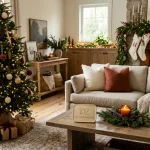
Begin with the sofa and armchairs you already own. Brown leather, cream upholstery, dark green fabric, and neutral linen can all provide a useful foundation. Add a tartan throw in burgundy, forest green, navy, or camel, then pair it with solid velvet cushions.
A brown leather armchair looks particularly inviting beside a green velvet cushion and a folded plaid blanket. In a lighter room, a cream sofa can be paired with burgundy and forest green pillows to create a traditional holiday contrast.
Vary the textures instead of relying on color alone. Wool adds softness, velvet introduces depth, and leather provides a smooth, structured finish. Natural wood and brass accessories can connect these materials.
Lighting also influences the result. Use table lamps and floor lamps to create warm pools of light around the seating area. Tree lights can provide additional illumination, while a few carefully placed candles or battery operated alternatives add a gentle evening glow.
Keep the coffee table relatively simple. A wooden tray, a small bowl of pinecones, a short evergreen arrangement, or a stack of attractive hardcover books can provide seasonal detail without competing with the sofa and Christmas tree.
If you have children or pets, choose washable throws and sturdy decorative accessories. Place fragile ornaments away from busy seating areas and avoid trailing ribbons where they could become a hazard.
The finished room should feel comfortable enough for everyday use. You should be able to sit down, put your feet up, and enjoy the decorations rather than treating the entire space as a display.
Decorate the Fireplace Mantel With Lush Evergreen Garland
A fireplace mantel creates a natural focal point, making it an ideal location for traditional Christmas greenery.
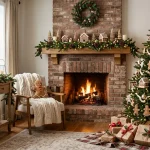
Choose a garland made from fir, pine, cedar, or realistic artificial foliage. Drape it across the mantel and allow a few branches to fall naturally over the edges. A little variation in the shape helps the arrangement look organic rather than rigid.
Add pinecones, burgundy velvet bows, and brass candleholders to introduce different textures. If you have a mirror or framed artwork above the mantel, make sure the greenery does not obscure the main feature.
For a traditional palette, combine dark green foliage with burgundy ribbon and antique gold details. If the room already contains substantial red accents, use cream ribbon or natural pinecones to create a quieter arrangement.
Stockings can add another layer of texture. Tartan, cable knit wool, and velvet are all suitable choices, especially when they relate to the colors used on the tree and sofa.
Proportion matters. A thick garland may look impressive on a wide mantel but overwhelm a narrow shelf. If your mantel is small, choose a slim arrangement and use just a few carefully selected accessories.
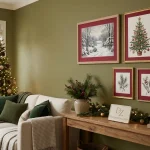
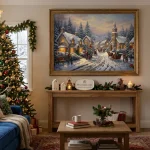
Homes without fireplaces can achieve a similar effect with a console table, floating shelf, or sideboard. Place a mirror or traditional framed artwork behind the greenery, then arrange two or three objects at different heights.
Always secure the garland and keep it away from heat sources. Avoid placing open flames near foliage, ribbon, or other combustible materials. Battery operated candles are a practical choice for a densely decorated mantel.
Use Tartan and Plaid as Signature Holiday Patterns
Tartan is one of the most recognizable patterns associated with heritage inspired Christmas decorating. Its combination of deep colors and structured checks works especially well with velvet, wool, leather, and dark wood.
The key is to use the pattern selectively. A room with plaid cushions, a tartan throw, patterned curtains, checked gift wrapping, and several different ribbon designs can quickly feel crowded.
Choose one main tartan pattern and repeat it in a few locations. For example, use a burgundy and green plaid throw on the sofa, matching ribbon on the Christmas tree, and a small amount of the same pattern on the gift wrapping.
Navy and green tartan is a good alternative for rooms with brown leather furniture, walnut tables, cream walls, and antique brass. It offers a more restrained color combination while maintaining the traditional appearance.
If your room already has patterned upholstery, keep the seasonal plaid smaller. A ribbon or cushion can introduce the pattern without competing with the existing fabric.
Solid velvet and wool are useful partners because their textures complement tartan without introducing additional visual complexity. Cream linen can soften a darker arrangement, while natural wood provides warmth.
You can also use tartan beyond the living room. A table runner, cloth napkins, fabric storage boxes, or stockings can repeat the pattern in smaller doses.
The most effective approach is to make plaid a recognizable thread throughout the home, not a pattern that covers every available surface.
Add Burgundy Velvet Bows to Trees, Wreaths, and Garlands
Velvet bows are a relatively simple way to introduce color and texture into Christmas decorations. Their soft finish contrasts with evergreen foliage, polished ornaments, glass, and metallic accessories.
Choose burgundy for a rich festive accent, forest green for a more understated appearance, or navy for a darker traditional palette. Wider ribbon works well for prominent tree bows and wreaths, while narrower ribbon is better for small decorative details.
On a Christmas tree, place bows at intervals rather than arranging them in perfectly straight lines. A few larger bows can create focal points, while smaller ones help connect the overall design.
For wreaths, position a larger bow near the bottom or slightly to one side. This creates a clear focal point without requiring many additional decorations.
Garlands can be finished with smaller bows placed at regular intervals. If the foliage is already full, keep the ribbon restrained so the greenery remains visible.
You can also use velvet ribbon around decorative boxes, baskets, or gift packages. Repeating the same ribbon in two or three areas makes the home feel coordinated.
Before purchasing ribbon, consider how much you need and where you plan to use it. Buying one high quality ribbon in a suitable color can be more useful than purchasing several rolls that do not work together.
Avoid tying bows onto every object. A few intentional placements provide enough detail while allowing the natural greenery and other materials to remain the main features.
Style the Entryway With Traditional Christmas Greenery
The entryway introduces the home’s decorating style before guests reach the main living area. A console table, wreath, and warm lighting can create a welcoming seasonal arrangement without requiring much space.
Start with the furniture you already have. A dark wood console works particularly well with brass accessories, while a lighter table can be styled with evergreen foliage, cream ceramics, and restrained burgundy accents.
Place a small evergreen arrangement in a ceramic or metal vase. Add a brass tray for everyday items and a warm table lamp to create a practical but attractive display.
A framed mirror or traditional landscape print can provide a backdrop. If you want additional color, introduce a velvet bow around the vase or use a tartan covered decorative box.
For a larger entryway, an evergreen wreath or garland around a doorway can connect the entrance to the living room. Keep the greenery proportional to the opening so it does not dominate the architecture.
In a narrow hallway, avoid oversized arrangements that obstruct doors or reduce walking space. A compact tabletop display and a wreath on the door may be enough.
Renters can use removable hooks and freestanding accessories instead of permanent fixtures. The style depends on the materials and colors rather than expensive architectural changes.
Keep a clear area for shoes, bags, keys, and other everyday essentials. A beautiful entryway should remain functional throughout the busy holiday season.
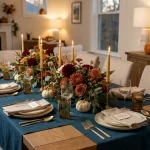
Create a Classic Christmas Dining Table With Layered Textures
A traditional Christmas tablescape can make holiday meals feel special without requiring an entirely new set of dinnerware.
Begin with the table itself. Dark wood provides a warm backdrop for cream plates and metallic accents, while a light tablecloth can create contrast in a darker dining room.
Add a tartan runner to establish the pattern. Choose a burgundy and green design for a traditional festive appearance or a navy and green version for a more restrained look.
Use white or cream dinnerware, clear glassware, and cloth napkins in burgundy or forest green. Antique brass candleholders introduce warmth, while evergreen branches and pinecones create a natural centerpiece.
Keep the centerpiece low enough for guests to see across the table. A narrow arrangement works well on a long table, while a small bowl of greenery may be better for a compact dining area.
For a more formal arrangement, use crystal glassware, silver serving pieces, and traditional porcelain. If your dinnerware already features decorative patterns, simplify the runner and centerpiece.
Napkins can be folded neatly or tied with a narrow velvet ribbon. Small evergreen sprigs may also be used as decorative accents, provided they do not interfere with eating or serving.
You do not need identical accessories at every place setting. Matching napkin colors and a consistent metallic finish can create enough continuity.
Use stable candleholders and keep flames away from fabric, paper, and greenery. Battery operated candles can provide a similar appearance with fewer fire related concerns.
Give the Christmas Tree Base a Finished Look
The space beneath the Christmas tree can make the entire display feel more complete. A suitable tree skirt, coordinated gift wrapping, and a little negative space help connect the tree to the surrounding room.
Start by choosing a tree skirt or collar that works with the main color palette. Tartan fabric emphasizes the heritage pattern, while cream wool creates a softer contrast against dark branches and colorful ornaments.
A woven or dark wooden collar can also work well in a room with natural materials. The most important consideration is that the base should complement the tree without competing with it.
Arrange wrapped gifts in small groups rather than creating a continuous wall of packages. Use a mixture of cream, kraft brown, forest green, and muted red wrapping paper.
Finish the packages with burgundy velvet ribbon, tartan ribbon, or simple natural twine. A few evergreen sprigs can add detail to larger gifts.
Vary the package sizes and allow some of the tree skirt to remain visible. This gives the arrangement a more natural appearance.
If you have pets or young children, choose a stable tree base, avoid fragile ornaments near the floor, and keep ribbon and small decorative pieces out of reach.
For a small tree, a simple skirt and two or three coordinated gifts can be sufficient. A restrained arrangement often looks better than an overcrowded display.
Incorporate Antique Brass, Silver, and Crystal Accessories
Metallic accessories provide contrast against the rich fabrics and natural greenery used throughout a heritage inspired Christmas home.
Antique brass creates a warm, traditional finish. Silver and crystal offer cooler reflections that can brighten a dark arrangement. Both approaches work well when used with restraint.
For a warm palette, choose brass candleholders, small trays, decorative bells, and picture frames. If you prefer a lighter look, add clear glass ornaments, crystal glassware, or a silver serving bowl.
Mixing metals is possible without making the room feel inconsistent. Choose one dominant finish and use the other as a small supporting detail. For example, brass can remain the main accent while a silver tray provides contrast on a console.
Dark walnut furniture makes reflective objects particularly noticeable. Brass and crystal stand out against dark wood, while cream upholstery and soft lighting prevent the room from feeling too heavy.
You do not need to purchase a matching collection. Inherited candleholders, secondhand serving pieces, and existing decorative objects can provide more character than a group of identical new accessories.
Consider the finish before buying. Highly polished gold can look more modern than aged brass, while distressed or antique style finishes tend to complement traditional materials.
Avoid placing too many shiny objects together. The metallic details should support the tree, greenery, and textiles rather than become the main focus.
Decorate Stair Railings With Evergreen Garlands and Plaid Ribbon
A staircase offers an opportunity to repeat the colors and materials already used in the living room.
Choose a lightweight evergreen garland and secure it carefully along the banister. Add tartan ribbon at intervals, using burgundy and green plaid for a traditional Christmas look or navy and green plaid for a more restrained version.
Small brass bells can introduce a subtle metallic accent. If the staircase is already a strong architectural feature, keep the decorations simple so they complement rather than obscure the structure.
Consider the scale of the railing. A narrow staircase generally looks better with slim greenery, while a wider staircase can accommodate fuller garlands.
Avoid allowing branches or ribbons to hang into the walking area. The handrail should remain easy to grip, and the steps must stay clear.
If you have a small home without a staircase, apply the same idea to a suitable doorway, window frame, or long console. Repeating the materials across a few locations helps establish a unified holiday style.
Secure all decorations properly, especially where children or pets may encounter them. Choose materials that are appropriate for the location and easy to remove after Christmas.
Create a Traditional Holiday Bar Cart or Serving Station
A bar cart or serving station introduces a polished entertaining detail without requiring a major decorating project.
Choose a cart with a wooden top, brass frame, or another finish that complements your existing furniture. Arrange glassware and serving essentials where they can be reached easily.
A silver tray, folded tartan napkins, and a small evergreen sprig can introduce the holiday palette. A modest lamp or a nearby warm light source can make the display feel more inviting in the evening.
If the cart has multiple shelves, use the top for the main decorative arrangement and reserve the lower shelves for practical items. Avoid filling every available space with ornaments.
A sideboard or console table works just as well if you do not own a cart. A tray, a few glasses, and one small seasonal arrangement can create a similar effect.
Choose durable accessories if the serving area is used frequently. Fragile crystal may be appropriate for a formal gathering, while everyday glassware can be more practical for casual entertaining.
For households with children or pets, keep breakable items secure and avoid placing decorations where they can easily be knocked onto the floor.
The purpose is to create a useful serving area that feels connected to the rest of the Christmas decor, not a decorative arrangement that cannot be used.
Wrap Christmas Gifts in Heritage Inspired Colors
Gift wrapping can become part of the holiday display when its colors match the tree and surrounding textiles.
Choose two or three paper colors, such as cream, kraft brown, and forest green. Add burgundy velvet ribbon or narrow tartan ribbon to create the traditional pattern.
Natural details can finish the packages without requiring expensive supplies. A small evergreen sprig, a simple fabric bow, or a modest brass bell can provide a distinctive accent.
Vary the sizes of the gifts and arrange them naturally beneath the tree. Larger packages can sit toward the back, while smaller ones fill the spaces around the base.
If the wrapping paper has a bold pattern, use solid ribbon. If the paper is plain, tartan ribbon can become the main decorative feature.
You can also reuse sturdy gift boxes and save fabric ribbons for future seasons. This reduces waste and makes it easier to maintain a consistent palette each year.
Avoid mixing too many paper designs. The aim is a coordinated group of packages, not a display in which every gift has a completely different style.
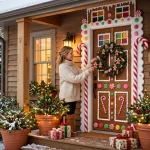
Add a Traditional Christmas Wreath to the Front Door
A Christmas wreath can connect your outdoor decorations with the interior style of the home.
Choose a wreath made from natural evergreen branches or realistic artificial foliage. Add a burgundy velvet bow, a few pinecones, or understated brass bells to create a classic finish.
A full green wreath can look especially attractive against a dark front door, but it can also work against neutral siding or painted wood.
If you already own a wreath, consider updating the ribbon before buying a replacement. A change from bright decorative ribbon to deep burgundy velvet may be enough to make the arrangement fit your chosen palette.
For a covered porch, add a pair of evergreen planters or a simple garland around the entrance. Keep the decorations proportional to the size of the door and surrounding architecture.
Choose outdoor rated lights and decorations where necessary, and secure everything against wind and weather. Natural greenery can dry out, so inspect it regularly and keep it away from heat sources.
Apartment residents can create a similar effect with a door wreath and a small seasonal arrangement near the entrance, provided building rules allow it.
Use Warm Lighting to Create a Cozy Holiday Atmosphere
Lighting can change how the entire color palette appears. Forest green, burgundy, wood, and brass often look richer under warm lighting than under harsh, cool overhead illumination.
Start with warm white string lights on the Christmas tree. Place the lights throughout the branches rather than concentrating them at the tips.
Add table lamps and floor lamps to create smaller areas of illumination around the living room. If you have a mantel or console, a pair of suitable lamps or a single well positioned light can help balance the arrangement.
Candleholders and glass votives can provide additional warmth. Battery operated candles are useful in areas where open flames would be impractical or unsafe.
Avoid using too many different lighting colors. Multicolored lights may work with some traditional decorations, but warm white lighting often makes it easier to coordinate velvet, tartan, greenery, and metallic finishes.
Consider how the room looks in daylight as well. Decorations should remain attractive without relying entirely on artificial lighting.
Keep electrical cords secured, follow the manufacturer’s instructions for light sets, and avoid overloading outlets. Outdoor decorations should use products specifically rated for outdoor use.
Bring Christmas Greenery Into the Kitchen
The kitchen can share the same traditional holiday character without becoming crowded or difficult to work in.
Begin with a small evergreen arrangement on a suitable counter or windowsill. Add a tartan tea towel, a simple wreath, or a few cream ceramic containers to introduce the seasonal palette.
If you have open shelves, group existing white dishes with a small amount of greenery and perhaps one traditional decorative piece. Leave sufficient space for everyday dishes and kitchen equipment.
A bowl of pinecones or a compact arrangement on a dining nook can provide seasonal detail without taking up a large amount of counter space.
For a larger kitchen, a small garland above a suitable doorway can connect the room to the living area. Ensure it is securely attached and positioned away from heat sources.
Avoid placing decorations near the stove, oven, or food preparation surfaces where they can create hygiene or fire concerns. Choose washable textiles and decorations that can be moved easily when you need extra working space.
The kitchen does not need the same number of decorations as the living room. A few repeated materials and colors are enough to create a connected appearance.
Style Bedroom Decor With Plaid Bedding and Soft Textures
A bedroom can carry the Christmas palette through textiles rather than large seasonal decorations.
Start with your existing bedding. Cream, ivory, white, or neutral sheets create a flexible foundation for a tartan blanket or a dark green throw folded across the foot of the bed.
Add one or two accent cushions in burgundy velvet, forest green, or a traditional plaid. Keep the arrangement simple enough that the bed remains comfortable for sleeping.
Wooden furniture, warm bedside lamps, and subtle greenery can reinforce the heritage inspired style. A small wreath or a short evergreen arrangement may be enough if you want to introduce a seasonal detail.
Avoid bringing too many ornaments into the bedroom. A few coordinated textiles can create a calm winter atmosphere without making the room feel like another living area.
If you prefer decorations that last beyond December, choose blankets and cushions in colors that work throughout the colder months. You can remove the most recognizably festive pieces after Christmas while keeping the rest of the arrangement.
For small bedrooms, focus on the bed and bedside tables rather than decorating every surface.
Make a Reading Corner Feel Like a Winter Lodge
A reading corner is a natural place to use the softer side of traditional Christmas decorating.
Start with a comfortable armchair in leather, wool, or a neutral fabric. Add a tartan throw, a textured cushion, and a small wooden side table.
A warm floor lamp or table lamp provides practical reading light while contributing to the cozy atmosphere. If the chair is near a Christmas tree or garland, the nearby greenery can connect the corner to the rest of the room.
A small tray, a few books, or a simple ceramic mug can make the space feel lived in rather than staged. Keep decorative objects limited so the table remains useful.
Choose a plaid pattern that repeats elsewhere in the home. If the living room already contains burgundy and green tartan, using the same pattern here can establish continuity.
For a small apartment, a single armchair and a lamp can provide the entire arrangement. You do not need additional furniture or a dedicated room to create a comfortable winter corner.
Decorate Shelves and Bookcases With Traditional Holiday Details
Bookshelves can contribute to the Christmas look without requiring a complete rearrangement of the room.
Begin by keeping the existing books and decorative objects that already suit the space. Introduce a small evergreen sprig, a few pinecones, a brass accessory, or one understated seasonal ornament.
If you have a mixture of colorful book spines, avoid adding too many additional colors nearby. Use neutral decorations and greenery to create balance.
For a more coordinated appearance, group objects in small clusters. A few books beside a brass candleholder or a small ceramic vase can create a simple composition.
You can also add a small tartan ribbon to a decorative box or introduce a miniature evergreen arrangement on a lower shelf.
Avoid covering every shelf with garlands and ornaments. Leaving empty space helps the existing books and objects remain visible.
For safety, secure heavier items and avoid placing open flames near books, paper, or greenery. Battery operated lights are a better option for shelves where decorative lighting is appropriate.
Combine Natural Materials for a More Collected Look
One of the most useful principles behind heritage inspired decorating is the balance between different materials.
Velvet, wool, leather, wood, glass, brass, and evergreen foliage each contribute a different visual quality. Combining them creates depth without relying on a large number of colors.
For example, a brown leather chair can be softened with a burgundy wool throw. A walnut console can support brass candleholders and a glass vase filled with evergreen branches. A Christmas tree can combine matte ornaments, glass baubles, and fabric ribbon.
Natural materials also help prevent the room from feeling overly polished. Pinecones, woven baskets, wooden ornaments, and linen textiles provide a quieter contrast to metallic finishes.
You do not need every material in every room. Choose two or three complementary textures for each arrangement, then repeat one or two materials elsewhere in the home.
Pay attention to the balance between smooth and rough surfaces. If a room already contains glossy furniture and reflective ornaments, introduce wool or velvet. If it contains many heavy fabrics, glass or brass can provide contrast.
This approach makes the decorating feel intentional and allows individual objects to contribute without competing for attention.
How to Recreate Ralph Lauren Christmas Decor on a Budget
A heritage inspired Christmas home can be created with a modest budget when you prioritize materials and reuse decorations thoughtfully.
Reuse What You Already Own
Before shopping, gather your current ornaments, garlands, throws, ribbons, candleholders, and serving pieces. Sort them by color and material to identify what already fits the palette.
Traditional glass ornaments, white ceramics, natural greenery, dark wood, and metallic accessories can often be reused without modification.
Spend on Ribbon and Textiles First
Tartan ribbon, velvet bows, and a plaid throw can change the appearance of existing decorations. These pieces also allow you to repeat the same colors across multiple rooms.
A single ribbon color used on the tree, wreath, and gift wrapping can create more continuity than purchasing several unrelated decorative items.
Shop Secondhand for Traditional Accessories
Thrift stores, estate sales, and secondhand marketplaces can be useful places to look for brass candleholders, silver trays, traditional frames, glassware, and wooden accessories.
Check the condition and practical use of each item before buying it. A classic object that fits your existing furniture is more useful than a decorative piece purchased only because it looks festive.
Choose Decorations You Can Reuse
A plaid blanket, velvet cushion, brass tray, or traditional candleholder can be used for several seasons. Select colors that work with your existing home decor rather than pieces that only match one particular Christmas theme.
Refresh Artificial Greenery
If you already own artificial garlands, reshape the branches and adjust the arrangement before buying new foliage. Adding a few pinecones or ribbon accents may be enough to refresh the appearance.
Decorate the Most Visible Areas First
Prioritize the Christmas tree, living room, entryway, and dining table. These areas often provide the strongest visual impact without requiring decorations for every room.
A few well styled spaces can make the home feel coordinated while keeping spending and storage requirements manageable.
How to Make Ralph Lauren Christmas Decor Work in a Small Apartment
Small homes can benefit from this style when the decorations are carefully scaled.
Choose a slim Christmas tree or tabletop tree if floor space is limited. Use a narrow tartan runner on a console table and a single plaid throw on the sofa instead of introducing patterns across every surface.
Smaller brass accessories, compact wreaths, and short evergreen arrangements can provide the same traditional character as larger displays.
Use vertical space where practical. A wreath on the door or a secure garland around a suitable doorway can introduce greenery without taking up table space.
If your furniture is modern, keep it. The contrast between clean lined furniture and traditional fabrics can create an appealing result.
Leave clear pathways and avoid placing ornaments on frequently used surfaces. In a small room, empty space between decorations is essential to maintaining a comfortable appearance.
Choose a few focal points and repeat their colors. A tree, sofa, and console table can be enough to establish the style throughout a compact home.
How to Choose Decorations That Work With Existing Furniture
Before buying seasonal accessories, consider the furniture and materials already present in your home.
Dark wood furniture usually works well with forest green, burgundy, cream, and antique brass. Brown leather can be paired with navy tartan, wool blankets, and warm metallic finishes.
Light colored furniture provides a useful background for darker accents. Forest green cushions, burgundy ribbon, and a traditional wreath can create contrast without requiring additional large furniture pieces.
Modern furniture can also work with this look. Use a smaller number of traditional accessories and allow their textures to contrast with clean lines.
If your room already has patterned curtains or upholstery, limit additional patterns to one or two accents. Solid velvet, plain wool, and neutral linen help keep the arrangement balanced.
Consider scale as well as color. A large garland can overwhelm a narrow console, while tiny ornaments may disappear against a very large tree.
Taking measurements and deciding where each item will go before shopping helps prevent unnecessary purchases.
Common Mistakes to Avoid With Ralph Lauren Christmas Decor
Using Too Many Plaid Patterns
Several competing tartans can make a room feel crowded. Choose one main plaid and repeat it selectively through the throw, ribbon, or table accessories.
Choosing Only Shiny Decorations
Reflective ornaments can be attractive, but a room filled entirely with glossy surfaces may feel less inviting. Balance glass and metallic pieces with wool, velvet, wood, and greenery.
Decorating Every Surface
Too many accessories can make the room feel cluttered. Give each area one main focal point and leave some shelves, tables, and counters relatively clear.
Using Too Many Strong Colors
Forest green, burgundy, navy, and gold work well together, but they do not need to appear in equal amounts. Select a dominant color and use the others as supporting accents.
Buying Decorations Without a Plan
An attractive ornament may not work with the rest of the room. Choose your palette and main decorating areas before shopping, then purchase only the pieces that fill a genuine gap.
Ignoring Scale and Proportion
Large bows can overwhelm a small tree, while a very full garland may dominate a narrow mantel. Match each decoration to the size of the furniture and room.
Forgetting Practical Safety
Secure garlands, keep stairs and walkways clear, and position fragile ornaments away from children and pets. Keep candles and electrical decorations away from materials or conditions that could create hazards.
FAQs
What Is Ralph Lauren Christmas Decor?
Ralph Lauren Christmas decor is a brand inspired holiday aesthetic associated with heritage patterns, rich fabrics, natural greenery, dark wood, warm lighting, and traditional metallic accents. It combines classic decorative materials to create a warm, collected appearance.
What Colors Work Best for Ralph Lauren Christmas Decor?
Forest green, burgundy, cranberry red, navy, cream, warm brown, and antique gold are useful choices. A coordinated room usually relies on two dominant colors, a neutral, and one supporting metallic finish.
How Can I Create Ralph Lauren Christmas Decor on a Budget?
Reuse existing ornaments, add tartan or velvet ribbon, look for secondhand brass accessories, and introduce a plaid throw or table runner. Prioritize the tree and main living spaces before purchasing decorations for less used rooms.
Does Ralph Lauren Christmas Decor Have to Include Plaid?
No. Tartan is a recognizable detail, but you can create a similar heritage inspired look with velvet, wool, natural greenery, dark wood, traditional ornaments, and warm lighting. Use plaid only where it complements the room.
Can I Mix Gold and Silver Christmas Decorations?
Yes. Choose one as the dominant finish and use the other sparingly. Antique brass candleholders can work well with clear crystal glassware and a small silver tray.
What Kind of Christmas Tree Works Best?
A full evergreen tree provides a traditional backdrop for tartan ribbon, velvet bows, and classic ornaments. A slim artificial tree or tabletop tree can work equally well in a smaller home when the decorations remain proportional.
Can I Create This Look Without a Fireplace?
Yes. A console table, floating shelf, or sideboard can provide a similar focal point. Add greenery, a mirror or framed artwork, and a few traditional accessories to create a balanced arrangement.
Does This Style Work With Modern Furniture?
Yes. Traditional textiles and natural greenery can create an appealing contrast with modern furniture. Start with a plaid throw, velvet cushions, brass accents, and warm lighting instead of replacing your existing furniture.
How Can I Make My Christmas Tree Look More Expensive?
Use a consistent color palette, distribute warm white lights throughout the branches, mix ornaments of different finishes, and introduce ribbon selectively. A coordinated tree skirt and restrained gift wrapping can make the entire display feel more complete.
How Can I Decorate for Christmas Without Making My Home Look Cluttered?
Choose a few focal points, repeat the same materials in selected areas, and leave empty space around decorative objects. You do not need to decorate every shelf, table, or corner.
When Should I Put Up Christmas Decorations?
Many households begin decorating in November or early December, depending on family traditions and personal preference. You can start with reusable textiles and greenery, then add the tree and more delicate decorations when convenient.
Is Ralph Lauren Christmas Decor the Same as Official Ralph Lauren Products?
No. This article describes an independent decorating aesthetic inspired by traditional heritage interiors. You can recreate the look with products from different retailers, secondhand accessories, and items you already own. It does not imply an official brand collaboration.
Final Thoughts
Ralph Lauren Christmas decor is about creating a warm, traditional holiday home through thoughtful color choices, rich fabrics, natural greenery, and classic accessories. Its appeal comes from how the different materials work together rather than from any single expensive decoration.
Start with forest green and burgundy, introduce tartan through a throw or ribbon, and use velvet, brass, wood, and warm lighting to add depth. Repeat these details across the Christmas tree, living room, mantel, dining table, and entryway without making every room identical.
You can create the look with new purchases, treasured family pieces, secondhand finds, or decorations you already own. Choose items that complement your furniture, pay attention to scale, and leave enough space for each arrangement to stand out.

Sophia Bennett is a passionate Home Decor Enthusiast and Content Writer at DecorZoon.com. She shares well-researched content on home decor, interior design, decorating trends, DIY ideas, and space-styling inspiration, helping readers create beautiful, functional, and stylish living spaces. Through practical tips and creative insights, Sophia makes it easier for homeowners and decor lovers to transform their homes with confidence and style.