Quick Answer :
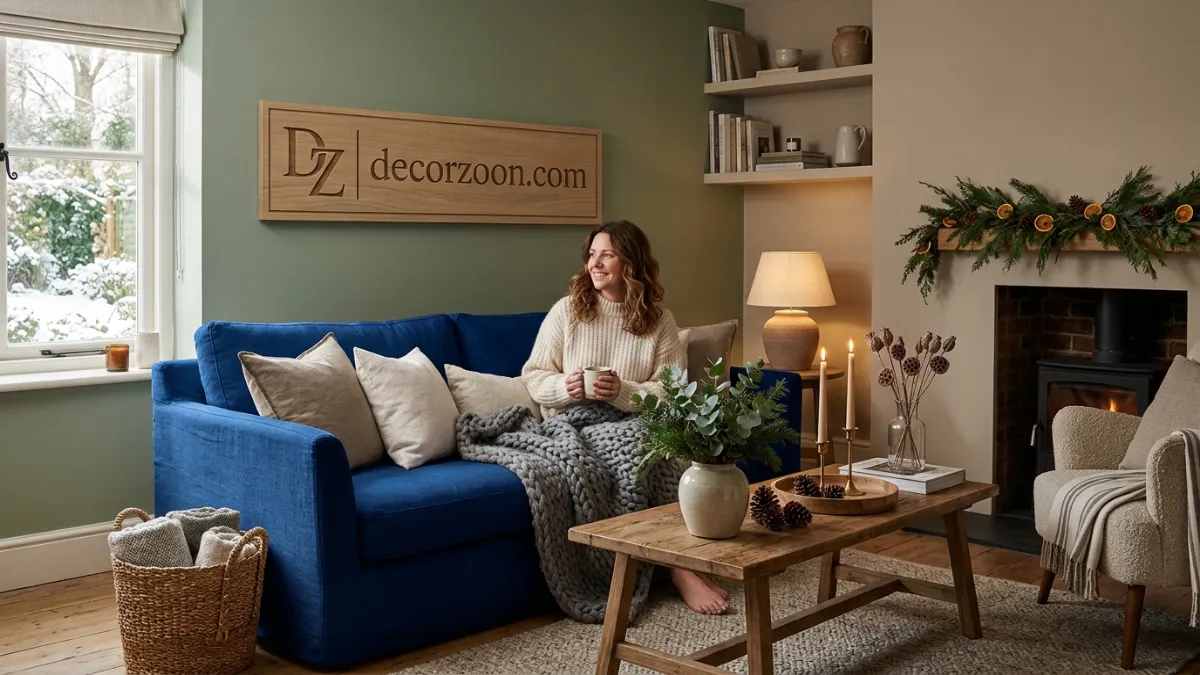
Winter decor after Christmas means refreshing your home with cozy, seasonal decorations instead of traditional holiday accessories. Use neutral colors, natural greenery, soft blankets, warm lighting, candles, and wooden accents to create a comfortable winter atmosphere.
Once Christmas is over, taking down the tree and festive decorations can leave your home feeling surprisingly empty. But that does not mean your rooms have to lose their warmth and charm.
Winter is the perfect time to create a fresh, cozy atmosphere with simple decorations that celebrate the season without looking like Christmas. From natural greenery and soft blankets to warm lighting and neutral color combinations, small changes can make a big difference.
If you want to refresh your living room, style an empty mantel, or make your bedroom feel more inviting, these winter decor after Christmas ideas will help you create a beautiful home without spending too much.
Remove Christmas Decorations Without Making Your Home Feel Empty
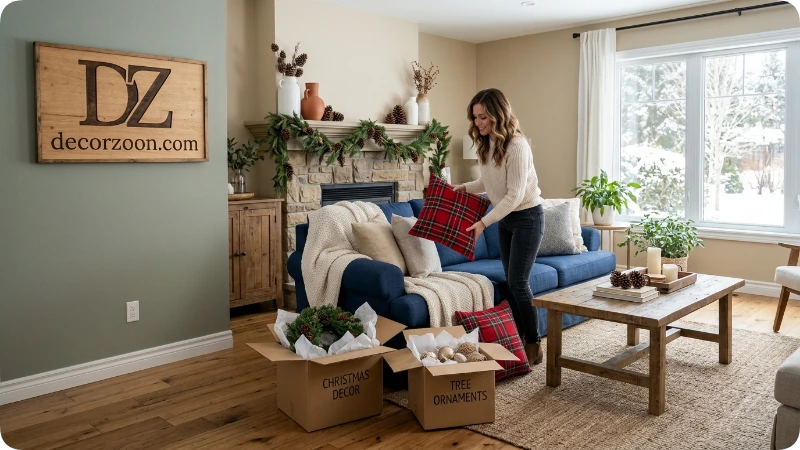
Start by removing the items that clearly belong to Christmas, then look at what remains before buying anything new. This approach helps you identify which areas need attention and prevents unnecessary spending.
Pack away Santa figures, stockings, candy canes, Christmas tree ornaments, holiday signs, and decorations with prominent seasonal messages. Red bows, glittery baubles, and heavily themed textiles may also make a room feel more like December than the rest of winter.
Some pieces can stay if they look natural without their holiday accessories.
- Keep: Plain evergreen garlands, pinecones, neutral candles, simple lanterns, and natural wood accents.
- Swap: Red pillow covers, Christmas print blankets, festive table linens, and holiday artwork for quieter alternatives.
- Add: Bare branches, cream textiles, understated winter artwork, or a small indoor plant where the room feels empty.
Walk through your home one room at a time. If a surface already looks balanced after the decorations come down, leave it alone. You do not need to replace every Christmas accessory with a winter themed item.
Choose a Winter Color Palette That Feels Calm and Natural
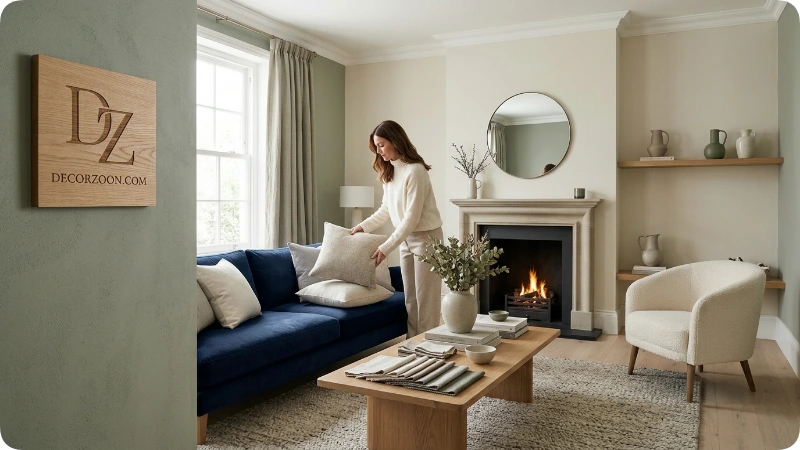
A restrained color palette makes winter decorating easier because it connects different rooms without relying on obvious holiday colors. Cream, ivory, oatmeal, taupe, soft gray, and natural wood provide a versatile foundation.
Choose one main neutral, one supporting color, and a small accent rather than introducing several unrelated shades.
Warm Whites and Natural Wood
Combine ivory, oatmeal, beige, and pale oak for a bright, understated look. This combination works particularly well in small rooms and spaces with limited natural light.
Forest Green and Cream
Keep a little evergreen color while replacing red ornaments and ribbons with neutral accents. This pairing suits traditional, rustic, and farmhouse interiors.
Winter Blue and Soft Gray
Muted blue, silver, and ivory suggest a cooler winter landscape. Add warm wood or cream fabric to keep the room from feeling overly cold.
Taupe, Brown, and Brass
Use earthy browns, textured neutrals, and a few brushed brass details for a richer appearance. This works especially well with leather, dark wood, and traditional furniture.
The best palette is one that works with your existing furniture, wall color, and flooring. You can introduce a seasonal change through pillow covers or a throw instead of replacing larger decorative pieces.
Keep Greenery but Remove the Christmas Details
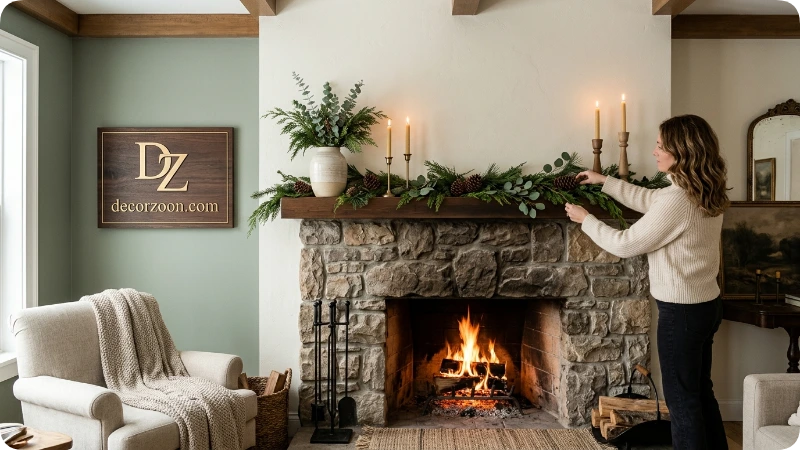
Natural greenery is one of the easiest ways to transition from Christmas to winter. Pine, cedar, fir, and eucalyptus can look appropriate well beyond the holidays when they are displayed without ornaments, ribbons, or festive accessories.
For a fireplace mantel, drape a simple garland loosely across one side rather than covering the entire surface. Pair it with a ceramic vase, a few books, or understated candle holders. On a dining table, use a short greenery arrangement that leaves enough room for serving dishes and everyday use.
Fresh greenery needs a little more care than artificial stems. Check the arrangement regularly, remove drying material, and keep it away from heat sources. Artificial greenery is a practical alternative if you want something that can be reused each winter.
Styling tip: Repeat the same type of greenery in two or three places, such as the mantel and entryway. This creates a connection between rooms without making every surface look identical.
Refresh Your Living Room With Soft Winter Textures
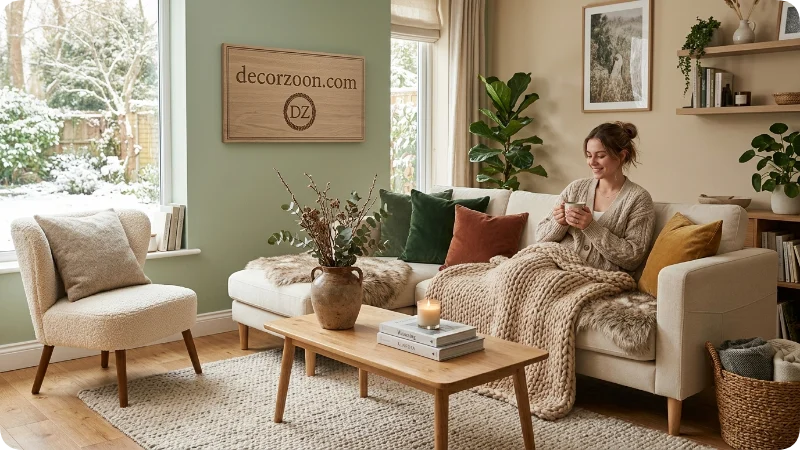
After the Christmas tree and festive pillows disappear, the living room may lose much of its visual texture. Bring back that sense of fullness with fabrics that feel suitable for the colder months.
Layer a knitted throw over the arm of a sofa, add one or two textured cushion covers, and use a soft rug if the floor feels visually bare. Wool, cotton knits, velvet, boucle, and faux fur can all work, but you do not need to use them together.
For a simple arrangement, combine smooth linen cushions with a chunky knitted blanket and one subtly patterned pillow. The difference in texture creates interest without requiring bright colors or extra decorations.
Keep practical use in mind. Throws should remain easy to grab, cushions should not crowd the seating, and rugs should be secured so they do not slide underfoot.
If your living room is small, choose a few larger, useful pieces instead of filling shelves and tables with small winter accessories.
Style a Winter Mantel With Candles and Natural Materials

The mantel often becomes one of the emptiest spots after Christmas because garlands, stockings, and festive ornaments tend to occupy the entire shelf. You can refresh it without recreating the same arrangement in winter colors.
Begin with one focal point, such as a tall vase filled with bare branches or a simple piece of artwork. Place two or three candles at different heights on one side, then balance the opposite side with a smaller vase or a low bowl of pinecones.
Vary the height and shape of the objects while leaving some open space between them. A mantel that is completely covered can feel just as crowded in January as it did in December.
For homes without a fireplace, apply the same idea to a console table, floating shelf, or media cabinet. Keep candles and other heat sensitive decorations away from active fireplaces, and use flameless candles where an open flame would be unsuitable.
Replace the Christmas Tree With a New Focal Point
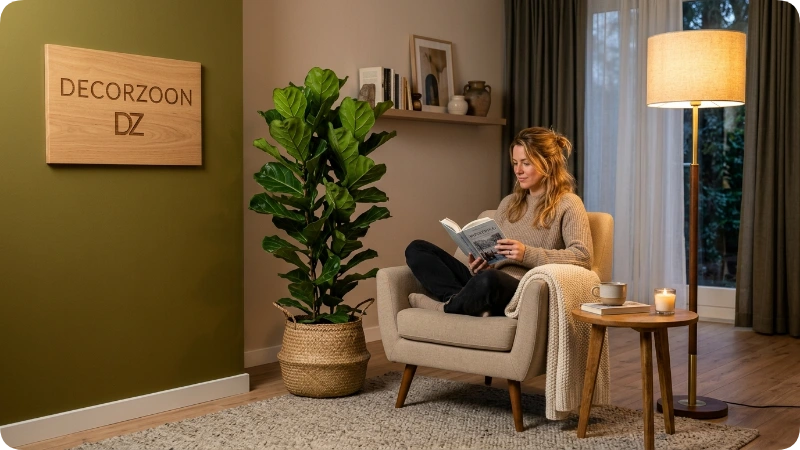
Once the Christmas tree comes down, the corner it occupied may suddenly look bare. Rather than filling the space with another large seasonal display, choose something that suits the room throughout winter and beyond.
A tall indoor plant can provide height and greenery. A floor lamp adds useful evening light, while a woven basket filled with blankets introduces texture. In a larger room, a comfortable accent chair with a small side table can make the empty corner more functional.
Choose according to the size of the space. A tall plant or lamp works in a narrow corner, while a chair requires enough room for comfortable movement. If the room is already full, leaving the area open may be the better choice.
For renters, freestanding pieces are particularly useful because they do not require permanent installation. You can also move them around as the room’s needs change.
Use Warm Lighting for Dark Winter Evenings
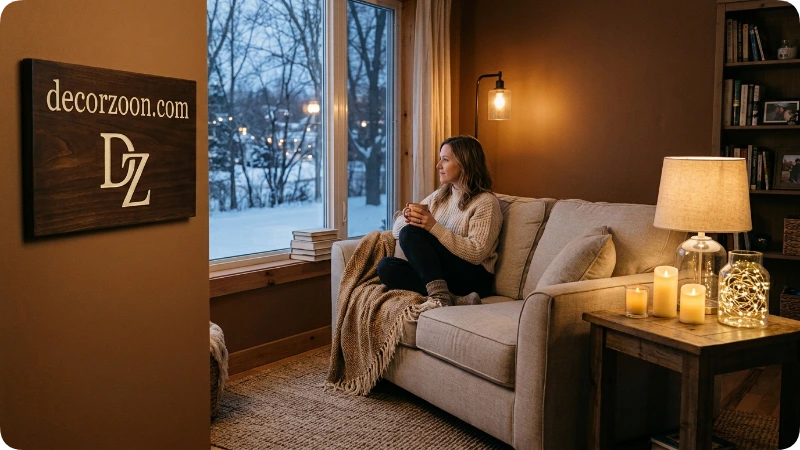
Lighting can preserve the gentle glow of Christmas without leaving your home looking festive. Instead of relying on overhead lights alone, combine table lamps, floor lamps, and a few carefully placed decorative lights.
Warm white string lights can work after Christmas when they are plain and unobtrusive. Try placing a short strand in a glass vessel or arranging it along a shelf, provided the product is designed for that use. Simple lamps with fabric shades offer another way to create softer light.
Consider the room’s function before adding decorative lighting. Reading areas need enough light for the task, while an entryway benefits from clear visibility. Use decorative lighting to supplement practical illumination rather than replace it.
Battery operated candles can provide a similar visual effect without an open flame. If you keep electrical lights up for winter, follow the manufacturer’s instructions and remove damaged or overheated strings.
Decorate Coffee Tables and Shelves With Simple Winter Accents
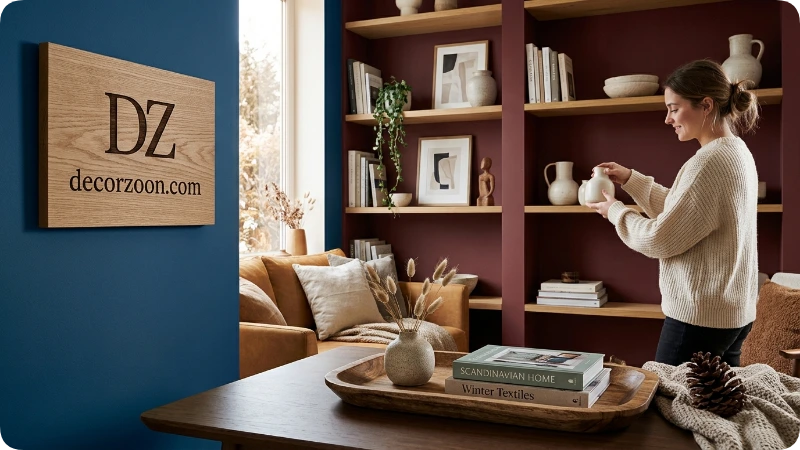
Coffee tables, bookcases, and side tables are useful places to introduce winter details without making the entire room feel themed.
For a coffee table, arrange a shallow tray with a small ceramic vase, a couple of books, and one natural object such as a pinecone or a wooden bowl. Leave the rest of the surface clear enough for drinks, remotes, and everyday activities.
On shelves, vary the height of objects rather than arranging everything in a straight line. A small vase beside a stack of books can balance a taller frame or plant. Repeat one material, such as wood or ceramic, to make the display feel connected.
Avoid filling every available gap. Open space allows individual objects to stand out and makes cleaning easier.
In homes with young children or pets, place fragile glass pieces and small decorative objects on higher, stable shelves. Choose sturdy containers for branches and avoid arrangements that tip easily.
Create a Simple Winter Centerpiece for the Dining Table
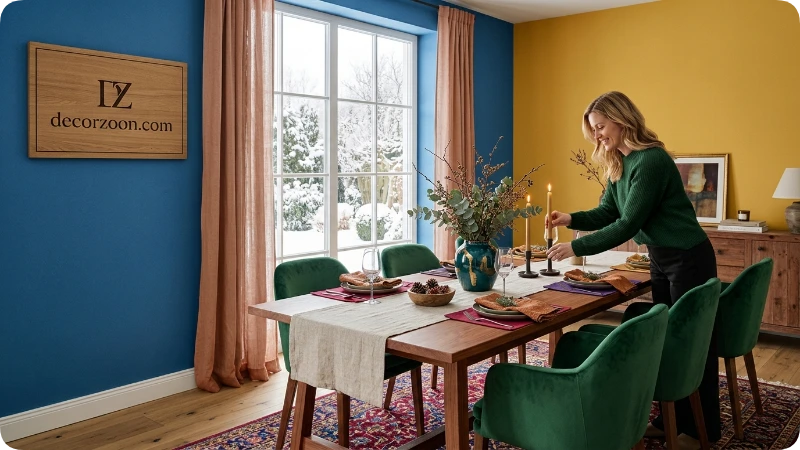
A dining table can feel unfinished after Christmas decorations and festive table runners are removed. A simple winter centerpiece gives it a seasonal focal point without interfering with everyday meals.
Start with a neutral linen runner or leave the wood surface exposed. Add a low ceramic vase with bare branches, eucalyptus, or seasonal flowers, then include a small bowl of natural wood or a pair of understated candle holders if space allows.
Keep the centerpiece low enough for people to see across the table. For a narrow dining table, one compact arrangement is usually better than several separate decorative objects. On a larger table, two matching arrangements can provide balance without filling the entire surface.
Choose washable linens and sturdy vessels if the table is used daily. This makes the arrangement practical enough to keep in place throughout January and February.
Refresh the Bedroom With Neutral Winter Bedding
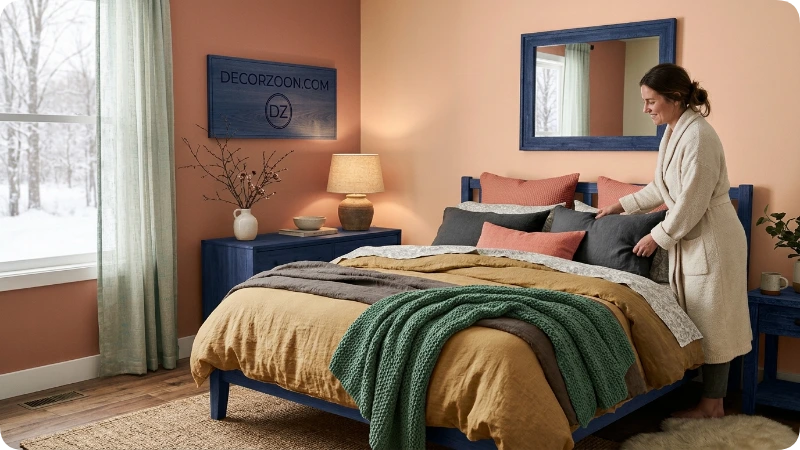
The bedroom is an easy place to carry winter decor after Christmas because small textile changes can create a noticeable difference without adding clutter.
Use cream, soft gray, taupe, or muted blue bedding as the foundation. Fold a textured blanket across the foot of the bed, add a couple of coordinating pillow covers, and place a warm toned lamp on the bedside table.
If your bedding is already neutral, there is no need to replace it. A heavier looking throw, a fabric lampshade, or a simple vase on the dresser may be enough to create a seasonal change.
Keep bedside surfaces functional. Leave room for books, glasses, chargers, and other everyday necessities instead of filling the area with decorative objects.
For a rental bedroom, removable textiles are an especially easy way to refresh the room without painting walls or installing new fixtures.
Welcome Winter With a Simple Entryway or Front Door Wreath
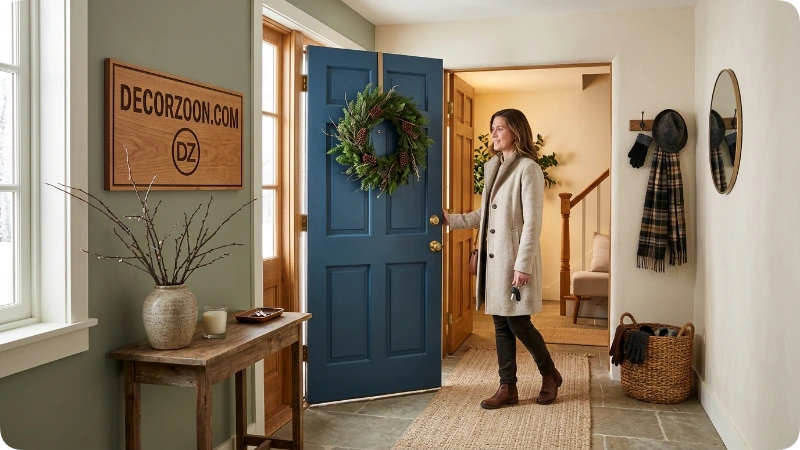
Your entryway can continue to reflect the season even after the Christmas wreath and welcome sign are put away. Choose natural materials and practical accessories that suit winter without relying on holiday symbols.
A plain evergreen wreath, a simple twig wreath, or a neutral arrangement of dried branches can work on a front door. If you prefer a more modern look, choose a minimalist wreath with an open center and just a few natural accents.
Inside, a woven basket for scarves, a small tray for keys, and a washable runner can make the entryway feel organized as well as decorated. If there is room, a small vase with winter branches adds height to a console table.
For apartment doors and rental homes, check building rules before adding exterior decorations. Removable hooks and lightweight wreaths are useful options when permanent hardware is not permitted.
Outdoor arrangements should suit your local climate. Use weather resistant materials and avoid placing fragile decorations where wind or moisture can damage them.
Bring Natural Winter Details Into Your Home
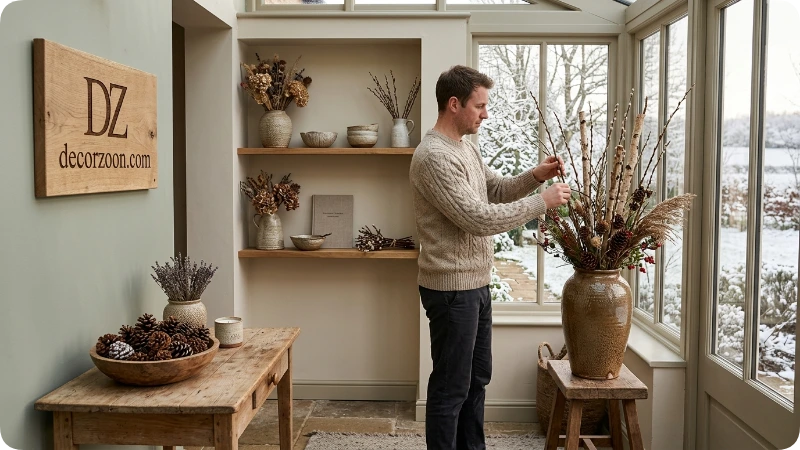
Winter landscapes provide plenty of inspiration for home decor. Bare branches, pinecones, wood, dried flowers, and textured ceramics introduce seasonal character without requiring snowflake patterns or overt winter signs.
Arrange a few branches in a tall, stable vase to create vertical interest beside a window or on a console table. Use pinecones in a shallow wooden bowl, or display dried stems in a ceramic vessel on a bookshelf.
Natural materials are particularly useful when you want decor that can transition into early spring. Branches and wooden accessories can stay in place while fresh flowers and lighter textiles are introduced later.
Choose materials according to the room’s existing finishes. Pale wood and light ceramics complement Scandinavian inspired interiors, while darker wood, aged brass, and textured pottery suit more rustic spaces.
Use clean, dry natural materials indoors, and check for insects or loose debris before bringing outdoor finds inside. Keep branches away from heat sources and make sure tall arrangements cannot fall over easily.
Decorate on a Budget by Reusing What You Already Own

You do not need a separate collection of winter decorations to make your home feel finished after Christmas. Many useful pieces are already part of your everyday decor or holiday storage.
Start by shopping for your own home. Move a neutral throw from a bedroom to the living room, reuse a ceramic vase from a bookshelf, or place a woven basket beside the sofa to hold blankets. Plain garlands and white lights may also work if they do not depend on Christmas specific accessories.
If you decide to buy something, prioritize pieces that serve more than one purpose.
- Pillow covers: Store easily and change the look of a sofa without replacing the inserts.
- Ceramic vases: Work with evergreen branches in winter and fresh flowers in spring.
- Neutral throws: Provide warmth while remaining useful throughout the year.
- Wooden bowls and woven baskets: Hold everyday objects while adding natural texture.
- Warm white lamps: Improve practical lighting long after seasonal decorations are packed away.
Set a small budget before shopping and identify the one or two areas that actually need attention. Reusing existing items often produces a more cohesive result than buying a large collection of decorations that all compete for attention.
Transition Winter Decor Into Early Spring Without Starting Over
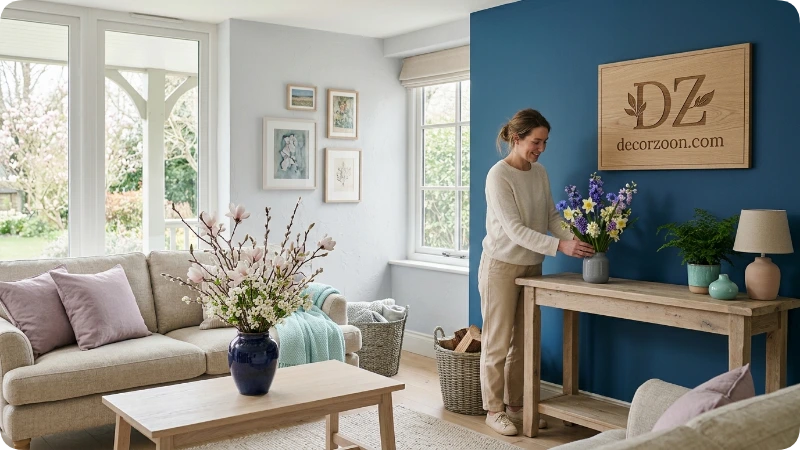
Winter decor does not need to disappear all at once when the weather begins to change. A gradual transition lets you keep useful pieces while introducing lighter colors and fresh natural details.
Start with the elements that are easiest to change. Replace heavy looking pillow covers with lighter linen or cotton, exchange bare branches for flowering stems when they become available, and introduce a little sage green or muted pastel color.
Keep neutral furniture, woven baskets, wooden accents, and simple ceramic pieces. These materials are not tied to a single season, so they can bridge the gap between winter and spring.
As the days become brighter, reduce the number of heavy throws and dark accents if the room begins to feel visually dense. You can also remove winter specific accessories while retaining practical textiles and lamps.
The goal is not to decorate for spring prematurely. Instead, make small adjustments when they suit your climate, natural light, and personal preference.
Common Winter Decorating Mistakes to Avoid
A few simple decisions can help your home feel seasonal rather than like a Christmas display that was never put away.
- Keeping every festive accessory: Remove ornaments, stockings, Santa figures, and Christmas messages instead of trying to make them work as winter decor.
- Replacing everything at once: Edit what you own before shopping. Many neutral pieces can remain in use.
- Using too many colors: Choose a limited palette and repeat it across rooms for a more connected look.
- Overdecorating small surfaces: Leave enough open space on coffee tables, mantels, and shelves for everyday use.
- Ignoring lighting needs: Decorative lights should complement practical lighting, not leave reading areas or entryways too dim.
- Using unsafe arrangements: Keep candles, greenery, fabric, and electrical lights away from heat sources and follow product safety instructions.
- Forgetting maintenance: Fresh greenery and natural branches need occasional checks, while textiles and decorative surfaces benefit from regular cleaning.
The most effective winter decorating plan is usually a simple one: remove the holiday specific pieces, retain useful seasonal materials, and add only what the room genuinely needs.
Frequently Asked Questions
1. What decorations can you keep up after Christmas?
Plain evergreen garlands, simple wreaths, pinecones, neutral candles, warm white lights, woven baskets, and textured throws can all work as winter decor. Remove Christmas specific accessories such as stockings, ornaments, Santa figures, and festive messages.
2. When should you take down Christmas decorations?
There is no single date that works for everyone. Some households pack away decorations on New Year’s Day, while others wait until around January 6. You can keep neutral winter decorations up through January and February if they still suit your home.
3. How do you decorate your home after Christmas on a budget?
Start by reusing neutral pillow covers, blankets, vases, baskets, and plain greenery. Rearrange existing accessories before purchasing anything new, and focus your budget on the areas that look noticeably empty after the Christmas decorations come down.
4. What colors are best for winter decor after Christmas?
Cream, ivory, taupe, soft gray, natural wood, and muted green are versatile choices. You can also introduce winter blue, silver, or warm brown depending on your interior style. Choose a small palette that complements your existing furniture.
5. Can you leave Christmas lights up after Christmas?
Plain warm white lights can suit winter decor when used safely and discreetly. Remove lights with distinctly festive colors or motifs if you want a less holiday specific look. Always follow the manufacturer’s instructions for indoor or outdoor use.
6. How do you make your living room look less empty after removing the Christmas tree?
Consider a tall indoor plant, a floor lamp, a woven basket, or an accent chair, depending on the available space. You can also add a textured throw or a neutral vase to nearby furniture. Avoid filling the empty corner automatically if the room already feels balanced.
Conclusion
Winter decor after Christmas is about creating a comfortable, balanced home without keeping every holiday decoration in place. Remove Christmas specific items, reuse neutral accessories, and introduce natural greenery, soft textiles, warm lighting, and understated winter colors.
Refresh the mantel, living room, dining table, and entryway only where needed, and choose versatile pieces that can transition into early spring. With a few thoughtful changes, your home can feel fresh throughout January and February without requiring a complete makeover or unnecessary spending.

Sophia Bennett is a passionate Home Decor Enthusiast and Content Writer at DecorZoon.com. She shares well-researched content on home decor, interior design, decorating trends, DIY ideas, and space-styling inspiration, helping readers create beautiful, functional, and stylish living spaces. Through practical tips and creative insights, Sophia makes it easier for homeowners and decor lovers to transform their homes with confidence and style.